
Anxiety & Stress Support Essex | NeuroBalance

Anxiety & Stress Support — Essex
Your Nervous System
Can Learn to Feel Safe Again
Anxiety is not a character flaw or a weakness. It is often a sign that the brain's chemistry and regulatory systems are out of balance — and that is something we can work with.
Our free Brain Balance Check takes 5 minutes and gives you a personalised report — real insight into what may be driving your anxiety, at no cost and with no obligation.
Important: NeuroBalance is a complementary service and does not replace medical care. If you are taking medication for anxiety, please do not stop or reduce it without speaking to your GP first. If you are in crisis, call 111 or the Samaritans on 116 123.
We don't sell supplements.
NeuroBalance has no financial interest in what you buy or take. We are an independent clinical service — our only interest is in understanding your pattern and helping you address it. Any nutritional support we recommend is sourced by you, from a supplier of your choice.
You are not alone
Do You Recognise Any of This?
Anxiety shows up differently for everyone. These are some of the most common experiences our clients describe when they first reach out.
The biochemistry of anxiety
Anxiety Is Not a Single Deficiency
Anxiety is rarely caused by one thing. It typically reflects imbalances across multiple neurotransmitter pathways — which is why a one-size-fits-all approach so often falls short.
GABA
The brain's primary calming neurotransmitter. Low GABA is directly associated with anxiety, restlessness and an inability to "switch off". When GABA is insufficient, the nervous system stays in a state of high alert.
Serotonin
Often called the mood stabiliser, serotonin also plays a key role in regulating anxiety. Low serotonin is linked to worry, rumination, social anxiety and a sense of unease that has no obvious cause.
Dopamine & Catecholamines
Dopamine supports motivation and reward, but imbalances in the catecholamine pathway — including adrenaline and noradrenaline — can drive the hypervigilance and physical tension that characterise anxiety.
Melatonin
Poor sleep and anxiety are deeply intertwined. When melatonin production is disrupted, the nervous system struggles to downregulate — creating a cycle where anxiety worsens sleep, and poor sleep worsens anxiety.
Endorphins
Endorphins are the brain's natural pain and stress buffers. When depleted, the threshold for stress becomes much lower — small challenges feel overwhelming, and emotional resilience is significantly reduced.
Glutamine
A precursor to both GABA and glutamate, glutamine plays a balancing role in the excitatory/inhibitory system. Imbalances here can tip the brain towards a state of chronic over-activation.
Watch & learn
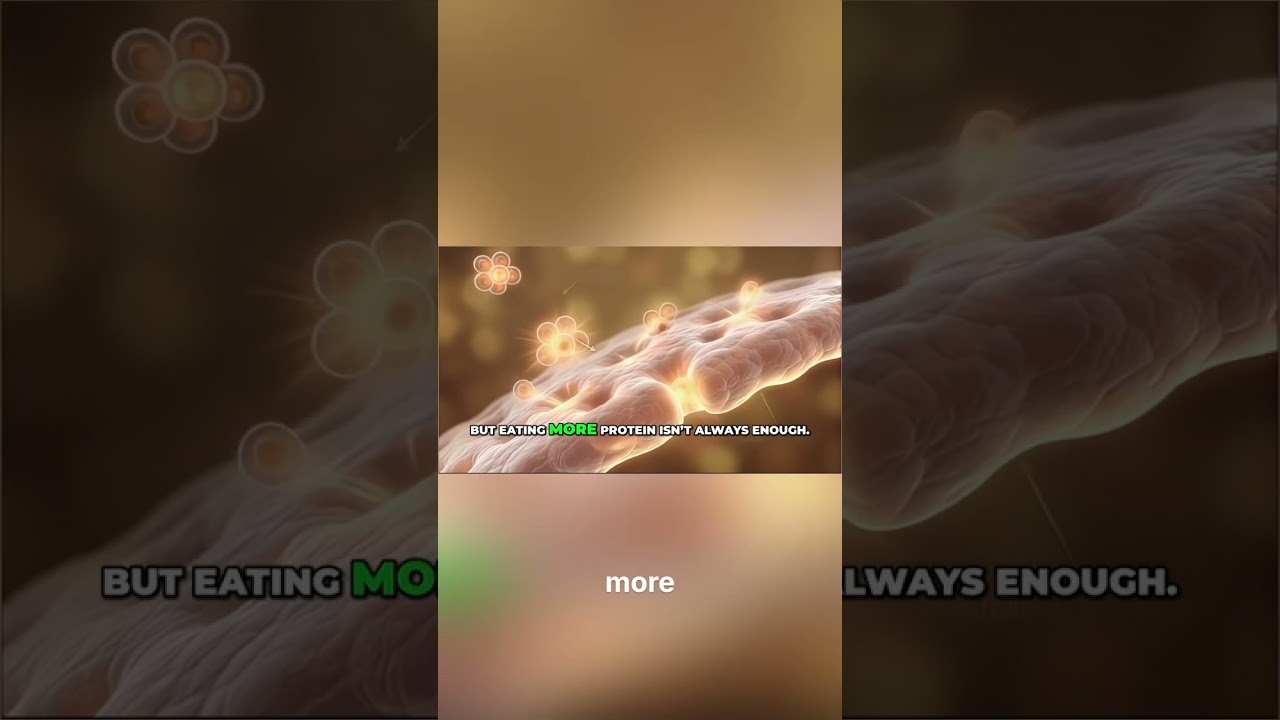
What is Brain Nutrition Therapy?
Hear how targeted nutritional support can help restore the neurotransmitter balance underlying your symptoms.
Opens on YouTube
Our approach
A Different Kind of Support
We don't offer generic advice or supplements off a shelf. Everything starts with understanding your specific pattern — then building a programme around it.
Brain Balance Check
You complete our free online questionnaire — available for adults and under 16s. It takes around 5 minutes and gives you a personalised report identifying which neurotransmitter pathways may be contributing to your anxiety.
Free Consultation
We review your results together and discuss your history, symptoms and goals. There's no pressure — this is about understanding whether our approach is the right fit for you.
Personalised Programme
If we proceed, your programme is built around your specific pattern — not a generic protocol. Brain Nutrition Therapy, Neurofeedback, or a combination of both, depending on what your results and circumstances suggest.
Ongoing Support
We monitor your progress throughout, adjusting your programme as your brain chemistry shifts. Most clients begin to notice meaningful changes within the first few weeks.
Real results
What Can Change in 35 Days
Charlotte is 44 years old. She had been living with chronic anxiety, low mood and disrupted sleep for years. After 35 days on a personalised Brain Nutrition Therapy programme — targeting just two key neurotransmitter pathways — she saw a 68% average improvement across all six areas we measure. Calm and stress regulation improved by 66%. Motivation, focus and drive by 73%. Energy and mood stability by 70%.

A second layer of support
When the Nervous System Needs To Feel Safe
Brain Nutrition Therapy addresses the chemistry. But sometimes the brain has also learned to hold itself in a state of chronic threat — and that requires a different kind of intervention. Neurofeedback works directly with brainwave activity to help the nervous system find its way back to calm.
Neurofeedback
Training the Brain Out of Anxiety Patterns
Anxiety is often associated with specific brainwave patterns — particularly excess high-frequency beta activity and reduced alpha waves, which are linked to the calm, present-moment awareness that anxiety disrupts.
Neurofeedback gives the brain real-time feedback on its own activity, gently encouraging it to shift towards more regulated, calmer patterns. Over time, the brain learns to sustain these states independently — without medication and without needing to revisit or discuss past experiences.
You simply watch a film or listen to music while sensors on your scalp monitor your brainwave activity. When the brain moves in the right direction, the feedback rewards it. Gradually, the nervous system learns that it is safe to relax.
- Non-invasive and drug-free
- No need to talk about difficult experiences
- Suitable for adults and children
- Can be used alongside medication or therapy
- Sessions typically last 45–60 minutes
What the research suggests
A growing body of research has explored neurofeedback as a complementary approach for anxiety disorders. Studies have examined its potential to reduce hyperarousal, improve alpha wave activity, and support the nervous system's ability to self-regulate.
Research has also looked at neurofeedback's role in reducing the physical symptoms of anxiety — including heart rate variability, muscle tension, and sleep disruption — all of which are commonly affected.
Neurofeedback is increasingly being used alongside conventional treatments, and is particularly valued by those who have not responded fully to medication or talking therapies alone.
See it in action
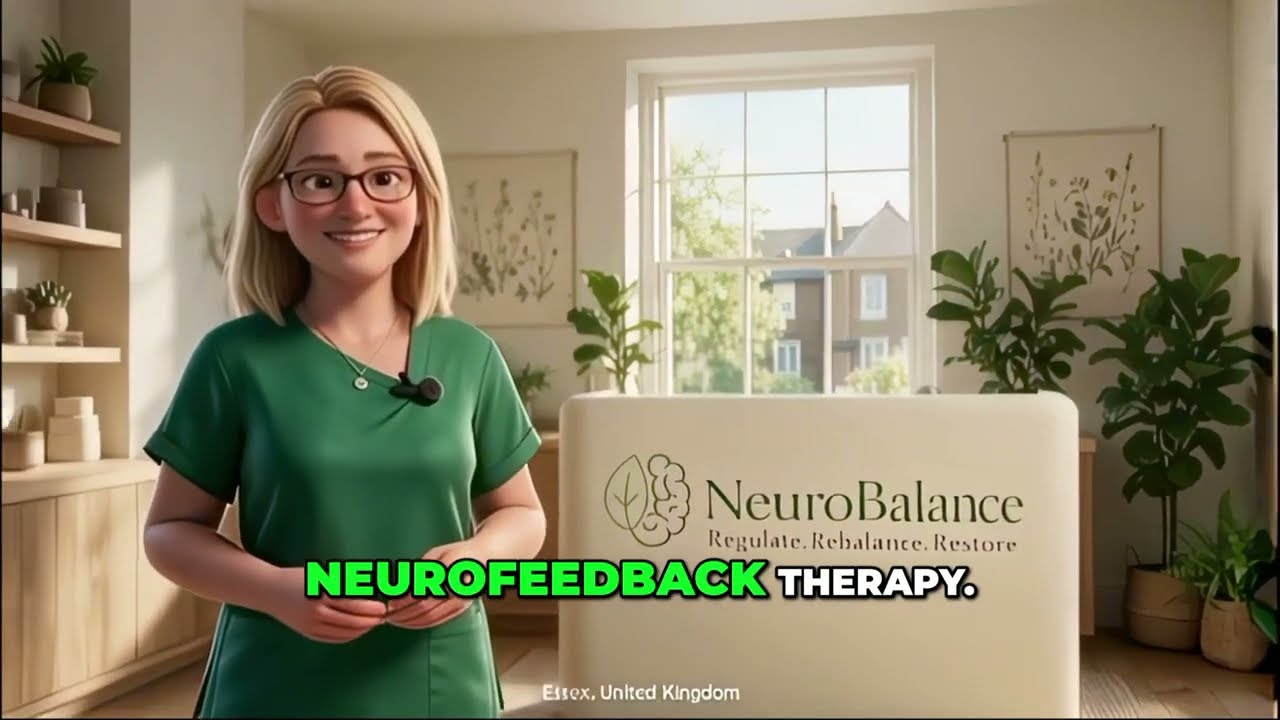
What Does a Neurofeedback Session Look Like?
Calm, non-invasive, and entirely drug-free — see what to expect from a session at NeuroBalance.
Opens on YouTube
Two approaches, one goal
Explore the Therapies
Both approaches can be used individually or together, depending on your needs and proximity to a location.
Brain Nutrition Therapy
Targeted brain nutrition support to replenish the neurotransmitters that regulate calm, mood and sleep. Personalised to your pattern, not a generic protocol.
Learn moreNeurofeedback Therapy
Train your brain's own regulatory systems to feel safe. Non-invasive, medication-free, and suitable for all ages. Particularly effective for anxiety, hypervigilance and sleep disruption.
Learn moreBrain Nutrition Therapy can open doors
Therapists are increasingly recognising that when neurotransmitter balance is restored, clients often become more able to engage with and benefit from talking therapies. If CBT or counselling hasn't felt accessible, addressing the underlying biochemistry first can make a meaningful difference.
Neurofeedback works without words
For those who find it difficult or distressing to talk about their experiences, neurofeedback offers a powerful alternative. It works directly with the brain's own regulatory systems — no need to revisit or discuss the past. Particularly valued by those who have tried talking therapy and found it wasn't the right fit.
Suitability
Is This Right for You?
Our approach may be a good fit if you:
- Have been struggling with anxiety for months or years
- Have tried medication but want to explore alternatives or reduce reliance
- Have found talking therapies helpful but feel something is still missing
- Experience physical symptoms of anxiety — tension, sleep problems, digestive issues
- Want to understand the root cause, not just manage the symptoms
- Are a parent concerned about anxiety in a child or teenager
We work with adults and children
Anxiety affects people of all ages. We have separate assessment pathways for adults (17+) and children and young people (under 16), and our programmes are tailored accordingly.
We work alongside your existing care
Our approach is complementary, not a replacement for medical care. We are happy to work alongside your GP, psychiatrist or therapist, and will always advise you to maintain any existing treatment unless your doctor recommends otherwise.
Crisis support
If you are in crisis or experiencing thoughts of self-harm, please contact your GP, call 111, or reach the Samaritans on 116 123 (free, 24/7). Our service is not a crisis service.
Ready to take the first step?
Start With a Free Brain Balance Check
Takes just 5 minutes. You'll receive a free personalised report giving you real insight into which neurotransmitter pathways may need support — and it forms the basis of any consultation with us.
No obligation, no pressure. Just clarity.
Prefer to speak to us first?
Book a free consultation